Here's why:
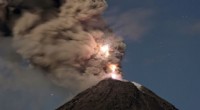
* Igneous rocks are formed from the cooling and solidification of molten rock (magma or lava). Magma and lava often contain a variety of minerals, which crystallize out as the rock cools. This results in rocks like granite, which are composed of quartz, feldspar, mica, and other minerals.
Let's look at other rock types:
* Sedimentary rocks are formed from the accumulation and cementation of sediments, which can be fragments of other rocks, minerals, or organic matter. While they may contain various minerals, they aren't typically *composed* of several different minerals in the same way igneous rocks are.
* Metamorphic rocks are formed when existing rocks (igneous, sedimentary, or even other metamorphic rocks) are transformed by heat, pressure, or chemical reactions. These changes can lead to the formation of new minerals, but they are often a mix of the original minerals plus newly formed ones.
Therefore, igneous rocks are most likely to be composed of several different minerals.