* Divergent Boundaries: At divergent boundaries, tectonic plates move apart. This movement causes the following:
* Thinning of the Lithosphere: As the plates separate, the lithosphere (Earth's rigid outer layer) thins, creating areas where the crust is relatively weak.
* Magma Upwelling: The separation allows magma from the mantle to rise to the surface, leading to volcanic activity.
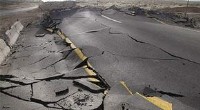
* Shallow Earthquakes: The movement and the resulting fracturing of the thin crust cause shallow earthquakes.
Examples of Shallow Earthquakes at Divergent Boundaries:
* Mid-Ocean Ridges: These underwater mountain ranges mark divergent boundaries where new oceanic crust is formed. Shallow earthquakes are common along these ridges.
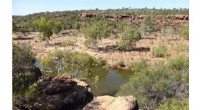
* Rift Valleys: On land, divergent boundaries can create rift valleys, like the East African Rift Valley. These regions are characterized by volcanic activity and frequent shallow earthquakes.
Other Plate Boundaries and Earthquakes:
* Convergent Boundaries: Where plates collide, earthquakes can be shallow, intermediate (70-300 km), or deep (300-700 km), depending on the type of convergence (oceanic-continental, oceanic-oceanic, or continental-continental).
* Transform Boundaries: Where plates slide past each other horizontally, earthquakes are typically shallow, but can be quite powerful.
In summary: While shallow earthquakes can occur at all types of plate boundaries, they are most strongly associated with divergent boundaries, where the thinning of the lithosphere and upwelling of magma lead to frequent seismic activity near the surface.