Here's why:
* Plate Collision: When two tectonic plates collide, they can create mountains in two ways:
* Folding and Faulting: Plates push against each other, causing the land to buckle and fold, forming mountains like the Himalayas.
* Uplift: One plate can be forced under another (subduction). This process can push up the land on the overriding plate, creating mountains like the Andes.
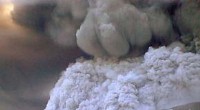
* Volcanic Mountains: These mountains are formed by the eruption of magma from the Earth's mantle. This process is usually associated with plate boundaries, but not always due to collisions. Here are the scenarios:
* Divergent Boundaries: Plates pull apart, allowing magma to rise and erupt, creating mountains like those in Iceland.
* Convergent Boundaries: When an oceanic plate subducts beneath a continental plate, the melting of the oceanic plate can cause volcanic eruptions and mountain formation, like the Cascade Range in the United States.
* Hot Spots: These are areas of unusually hot mantle where magma plumes rise to the surface, creating volcanic mountains, like the Hawaiian Islands.
In summary: While volcanic mountains often occur near plate boundaries, they are not directly formed by the collision of plates. They are formed by the eruption of magma, which can be triggered by various tectonic processes, including plate divergence, subduction, and hot spots.