1. The Circum-Pacific Belt: This belt, often called the "Ring of Fire," is still the most active today. It's characterized by:
* Subduction Zones: The Pacific Plate dives beneath other plates (e.g., North American, Eurasian, Philippine Sea plates) causing volcanic arcs, deep ocean trenches, and massive earthquakes.
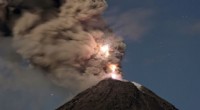
* Volcanism: This zone is responsible for some of the world's most famous volcanoes, like Mount Fuji, Mount St. Helens, and many volcanoes in the Andes Mountains.
* Mountain Building: The collision of plates created the Andes Mountains, the Rocky Mountains, and the Japanese Islands.
2. The Mediterranean-Himalayan Belt:
* Continental Collision: The collision of the African and Eurasian plates created the Alps, the Himalayas, and the Caucasus Mountains.
* Volcanism: Volcanic activity is present, although less prominent than the Pacific Ring.
3. The East African Rift Valley:
* Continental Rifting: The African Plate is splitting apart, creating the East African Rift Valley.
* Volcanism: This zone is home to many active volcanoes, including Mount Kilimanjaro.
4. The North Atlantic Rift:
* Seafloor Spreading: The North American and Eurasian Plates are moving apart, causing the formation of the Mid-Atlantic Ridge.
* Volcanism: The Mid-Atlantic Ridge has underwater volcanic activity.
5. Other Notable Areas:
* The Caribbean: A complex area with subduction, strike-slip faulting, and volcanic activity.
* The Western United States: Significant fault systems, including the San Andreas Fault, have caused major earthquakes.
In Summary:
The Cenozoic era was marked by intense tectonic activity across the globe. While the Circum-Pacific Belt is the most well-known, many other regions experienced significant changes due to plate movements. These events shaped the Earth's landscapes, influenced climate, and continue to shape our planet today.