Here's why:
* Plate Collisions: When tectonic plates collide, they push against each other. This pressure causes the land to buckle and fold, creating mountains. These are known as fold mountains, the most common type. Examples include the Himalayas, the Alps, and the Andes.
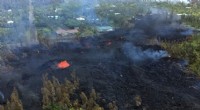
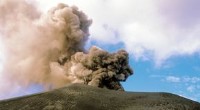
* Volcanic Mountains: Volcanic mountains are formed by the buildup of lava and ash erupted from volcanoes. These volcanoes are often found at the boundaries of tectonic plates, but not always due to collisions.
Here's a breakdown of how volcanoes form:
1. Subduction Zones: When one plate slides beneath another (subduction), it melts the rock below. This melted rock (magma) rises to the surface and erupts, forming volcanoes.
2. Hot Spots: These are areas of unusually hot magma within the Earth's mantle. This magma rises to the surface, creating volcanic activity. These volcanoes are often found in the middle of tectonic plates.
In summary:
* Plate collisions create fold mountains.
* Volcanoes create volcanic mountains.
* While volcanoes can be found at plate boundaries, they are not necessarily formed by plate collisions.