1. Plate Tectonics: The Earth's surface is made up of massive plates called tectonic plates. These plates are constantly moving, interacting with each other at their boundaries.
2. Convergent Boundaries: Oceanic trenches form where two tectonic plates collide, specifically at a convergent boundary where one plate dives beneath the other.
3. Subduction: The denser plate, usually an oceanic plate, is forced beneath the less dense plate, which can be either oceanic or continental. This process is called subduction.
4. Trench Formation: As the denser plate sinks, it creates a deep depression in the ocean floor – the oceanic trench. This trench marks the point where the subducting plate begins its descent.
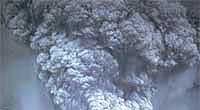
5. Magma Generation: The subducting plate, as it moves deeper into the Earth, melts due to the intense heat and pressure. This melted rock, called magma, rises to the surface and can lead to volcanic activity along the edge of the continental plate.
In summary, the key factor in oceanic trench formation is the process of subduction, where one tectonic plate is forced beneath another at a convergent boundary.
Here are some additional points:
* The deepest oceanic trench is the Mariana Trench, located in the western Pacific Ocean.
* Oceanic trenches are associated with volcanic arcs, which are chains of volcanoes that form on the overriding plate.
* Subduction zones are also responsible for earthquakes, as the movement of the plates creates stress and strain along the fault lines.
Let me know if you'd like more details on any specific aspect of this process!