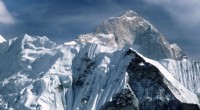
* Erosion as a Sculptor: Think of erosion as a sculptor. It wears down mountains, carves canyons, and shapes coastlines. The material that is eroded away (like sand, silt, and rocks) doesn't just disappear.
* Sediment Transport and Deposition: The eroded material is transported by wind, water, and ice. This sediment eventually gets deposited in new locations, often far from where it originated. This deposition is a constructive process.
* Building Landforms: Over millions of years, the deposition of sediment builds up new landforms:
* Delta Formations: Rivers carry sediment to their mouths, where they deposit it, creating deltas.
* Beaches: Waves erode coastlines, but also deposit sand to create beaches.
* Floodplains: Rivers flood, depositing sediment that builds up fertile floodplains.
* Sand Dunes: Wind carries sand, creating dunes.
* The Rock Cycle: Erosion and deposition are key parts of the rock cycle. Rocks are broken down (eroded), transported, and then deposited to form new sedimentary rocks. These sedimentary rocks can eventually be uplifted and become part of mountains again.
In summary: While erosion is a destructive force that breaks down existing landforms, it also plays a crucial role in the constructive process of building up new landforms. The Earth's surface is constantly being reshaped by a delicate balance between erosion and deposition.