1. Mountains:
* Fold Mountains: Formed when two continental plates collide, forcing rock layers to buckle and fold upwards. Examples: The Himalayas, the Alps, the Andes.
* Block Mountains: Formed when tectonic forces cause blocks of crust to be uplifted or downthrown along fault lines. Examples: The Sierra Nevada, the Harz Mountains.
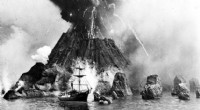
* Volcanic Mountains: Formed when magma rises from the mantle and erupts onto the Earth's surface. Examples: Mount Fuji, Mount Kilimanjaro, Mauna Kea.
2. Valleys:
* Rift Valleys: Formed when tectonic plates pull apart, causing the crust to crack and subside. Examples: The East African Rift Valley.
* Glacial Valleys: Formed by the erosive power of glaciers. Examples: Yosemite Valley, the valleys of the Swiss Alps.
3. Trenches:
* Oceanic Trenches: Formed when an oceanic plate subducts beneath another plate, creating a deep, narrow depression in the ocean floor. Examples: The Mariana Trench, the Peru-Chile Trench.
4. Ridges:
* Mid-Ocean Ridges: Formed at divergent plate boundaries where new oceanic crust is created. Examples: The Mid-Atlantic Ridge.
5. Plateaus:
* Continental Plateaus: Large, elevated areas of relatively flat land. Examples: The Tibetan Plateau, the Colorado Plateau.
6. Islands:
* Volcanic Islands: Formed by volcanic activity, often at hotspots or convergent plate boundaries. Examples: Hawaii, Iceland, the Galapagos Islands.
* Island Arcs: Chains of islands formed by volcanic activity at convergent plate boundaries where an oceanic plate subducts beneath another plate. Examples: The Aleutian Islands, the Philippines.
7. Earthquakes and Volcanoes:
* Earthquakes: Occur at plate boundaries where there is movement and friction. The energy released during an earthquake causes the ground to shake.
* Volcanoes: Often form at plate boundaries where magma rises to the surface. They can also form at hotspots, which are areas of volcanic activity that are not associated with plate boundaries.
Other Features:
* Fault Lines: Cracks or breaks in the Earth's crust where rocks have moved past each other.
* Geysers and Hot Springs: Occur in areas where hot water from below the Earth's surface is forced to the surface.
Understanding the interactions of tectonic plates is essential for interpreting the Earth's landforms. These interactions shape the continents, oceans, and landscapes that we see today.