* Subduction Zones: These are areas where tectonic plates collide. One plate, typically an oceanic plate, is denser and is forced beneath the other plate (which could be either oceanic or continental).
* The Descent: As the denser plate subducts, it carries with it the sediments and water that have accumulated on its surface.
* Dehydration: The descending plate experiences increasing pressure and temperature. This causes the minerals in the plate, as well as the sediments, to release their bound water.
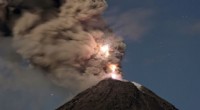
* Water's Role: The released water acts as a lubricant, reducing the melting point of the surrounding mantle rock. This contributes to the formation of magma, which can rise to the surface and cause volcanic eruptions.
* Sediments' Fate: The sediments themselves are typically incorporated into the mantle rock. They can also contribute to the formation of new minerals and rocks.
In summary, subduction is the primary mechanism by which sediments and water are transported from the Earth's surface into the mantle.