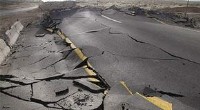
1. Glacial Movement: Glaciers are massive sheets of ice that slowly move under their own weight. This movement is driven by gravity and can be surprisingly powerful.
2. Rock Debris: As glaciers move, they pick up rock debris (called glacial till) from the bedrock they flow over. This debris can be very abrasive and acts like sandpaper.
3. Erosion: The embedded rock debris in the ice scrapes and polishes the bedrock below. This process is called glacial abrasion.
4. Grooves: Over time, the repeated abrasion from the rock debris in the ice creates long, narrow depressions in the bedrock, known as glacial grooves. These grooves can be very long and deep, sometimes even tens of meters long.
Factors influencing glacial groove formation:
* Glacier size and speed: Larger and faster glaciers exert more pressure and carry more debris, leading to deeper and wider grooves.
* Rock type: Softer rocks like limestone erode more easily, while harder rocks like granite form shallower grooves.
* Debris content: The type and abundance of rock debris carried by the glacier also influences the groove formation.
Identifying Glacial Grooves:
Glacial grooves are a key indicator of past glaciation. They are often found alongside other glacial features like striations, erratics, and U-shaped valleys. These grooves can be found in many parts of the world where glaciers once existed.
In Summary:
Glacial grooves are formed by the erosive power of glaciers as they move over bedrock, carrying embedded rock debris that scrapes and polishes the surface. These grooves are a testament to the immense force of glacial action and provide valuable insights into past glacial events.