1. P-Waves (Primary Waves):
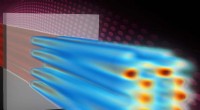
* Motion: Compressional, meaning they cause particles in the rock to move back and forth in the same direction as the wave is traveling. Imagine pushing a spring back and forth.
* Speed: Fastest seismic waves, traveling through both solids and liquids.
* Effect on rock: They compress and expand the rock as they pass through, similar to sound waves. This can cause minor fracturing and deformation, particularly in areas of weakness.
2. S-Waves (Secondary Waves):
* Motion: Shear, meaning they cause particles in the rock to move perpendicular to the wave's direction of travel. Imagine shaking a rope up and down.
* Speed: Slower than P-waves, but still faster than surface waves. They can only travel through solids.
* Effect on rock: S-waves cause more significant shaking and deformation than P-waves due to their shearing motion. They can fracture rock and cause significant damage, especially in areas where the rock is already weakened.
3. Surface Waves:
* Motion: These waves travel along the Earth's surface and have a more complex motion. There are two main types:
* Love waves: Shear motion, similar to S-waves, but only moving horizontally.
* Rayleigh waves: A combination of compression and shear motion, causing a rolling or elliptical motion.
* Speed: Slowest of all seismic waves.
* Effect on rock: Surface waves are responsible for most of the damage caused by earthquakes. They cause significant ground shaking and can trigger landslides, liquefaction (the process of turning soil into a liquid-like substance), and tsunamis.
In summary:
* P-waves: Compress and expand rock, causing minor fracturing.
* S-waves: Shear the rock, causing more significant fracturing and deformation.
* Surface waves: Cause the most damage, shaking the ground and triggering secondary hazards like landslides and tsunamis.
The type of seismic wave and its frequency affect the amount of damage it can cause. Higher frequency waves tend to be more damaging because they cause more rapid and intense shaking. Additionally, the type of rock and its structural integrity can also influence how the waves affect it.