1. Weathering and Erosion:
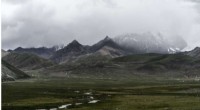
* Pre-existing Rocks: Sandstone can form from the weathering and erosion of various igneous, metamorphic, and even pre-existing sedimentary rocks. This weathering breaks down the rocks into smaller pieces, like sand grains.
* Transport: The sand grains are then transported by wind, water, or ice to a new location.
2. Deposition:
* Accumulation: The sand grains eventually settle and accumulate in layers, often in a basin or along a shoreline.
* Burial: Over time, more sediment is deposited on top, burying the sand layers. The weight of the overlying sediment compresses the sand.
3. Lithification:
* Cementation: Water carrying dissolved minerals seeps through the sand layers. These minerals crystallize in the spaces between the sand grains, acting as a "glue" that binds them together.
* Compaction: The weight of the overlying sediment also compresses the sand grains closer together.
4. Uplift and Exposure:
* Tectonic Forces: The layers of sedimentary rock containing the sandstone can be uplifted by tectonic forces (like the movement of tectonic plates). This brings the rock closer to the surface.
* Erosion: Once exposed, the sandstone can be weathered and eroded again, starting the cycle anew.
In Summary:
Sandstone is a rock that is formed from the weathering and erosion of other rocks, transported, deposited, compacted, and cemented. It's then uplifted and exposed to weathering and erosion again, continuing the rock cycle.