Here's why:
* Plate Tectonics: Ocean ridges are formed at divergent plate boundaries where tectonic plates are moving apart.
* Magma Upwelling: As the plates move apart, magma from the Earth's mantle rises up to fill the gap. This magma cools and solidifies, creating new oceanic crust.
* Rift Valley Formation: The process of magma rising and solidifying creates a central valley along the ridge crest called a rift valley. This valley is characterized by its steep sides and often has a series of active volcanic vents within it.
Key Features of a Rift Valley:
* Steep sides: The valley is formed by the upwelling magma pushing the plates apart, creating steep slopes.
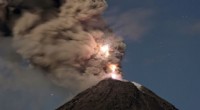
* Active volcanic vents: The magma rising to the surface often erupts through vents, creating volcanic activity.
* Hydrothermal vents: The hot magma can heat seawater, resulting in hydrothermal vents which release chemicals and energy into the surrounding environment.
So, the next time you think about ocean ridges, remember that they are not just flat, underwater mountains. They are active geological features with a deep, dramatic valley running down their center.