1. Geology: Focuses on the Earth's solid, non-living components like rocks, minerals, and the processes that shape them (plate tectonics, earthquakes, volcanoes).
2. Oceanography: Studies the oceans, including their physical, chemical, and biological aspects. This includes currents, tides, marine life, and the ocean's influence on climate.
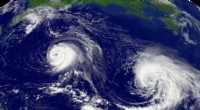
3. Meteorology: Deals with the Earth's atmosphere, weather patterns, climate, and atmospheric phenomena like storms and hurricanes.
4. Astronomy: While often considered a separate science, it's closely tied to Earth Science because it studies the Earth's place in the universe, the solar system, and how celestial bodies influence Earth's environment.
5. Environmental Science: This broad field integrates aspects of all the other subdivisions to study the interactions between human activities and the Earth's systems. It focuses on issues like pollution, climate change, resource management, and conservation.
Keep in mind, there are many other specialized fields within Earth Science, like:
* Geophysics: Studying the Earth's physical properties, like its magnetic field and internal structure.
* Hydrology: Focusing on water, its movement, and its role in the environment.
* Paleontology: Studying fossils and past life forms to understand the history of Earth and life on it.
* Soil Science: Examining the composition, properties, and formation of soil.
Ultimately, the "5 subdivisions" will vary depending on the context and how you choose to categorize the field.