Here's a breakdown:
* Plate Tectonics: The Earth's outer layer is made up of massive plates that move and interact with each other.
* Convergent Boundaries: When these plates collide (converge), immense pressure is generated. This pressure can cause one plate to slide under the other (subduction) or the plates to buckle and fold.
* Compression: This collision and pressure leads to the compression of the rock layers (strata) deposited over millions of years.
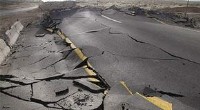
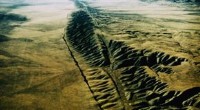
* Folding and Faulting: The compression can cause the strata to bend and fold, forming mountains and valleys. It can also create fractures and faults in the rock, which can release energy in the form of earthquakes.
In summary, the interplay of tectonic plates, particularly at convergent boundaries, is the driving force behind the compression of successive strata in the Earth. This process is fundamental to the formation of many geological features we see today, including mountains, valleys, and sedimentary basins.