Internal Forces:
* Plate Tectonics: The Earth's crust is divided into large plates that move and interact with each other. This movement drives:
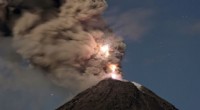
* Volcanism: Molten rock (magma) rises from the mantle and erupts as lava, forming volcanoes and reshaping the landscape.
* Earthquakes: Plates grind against each other, releasing seismic energy that causes earthquakes, creating faults and folds in the Earth's crust.
* Mountain Building: Collisions between plates can push up mountains and create mountain ranges.
* Mantle Convection: Heat from the Earth's core causes the mantle to circulate, driving plate movement.
* Isostasy: The Earth's crust "floats" on the denser mantle, leading to adjustments in elevation as mountains erode and sediments accumulate.
External Forces:
* Weathering: The breakdown of rocks and minerals due to exposure to air, water, ice, and biological activity.
* Physical Weathering: Mechanical breakdown of rocks into smaller pieces (e.g., frost wedging, abrasion).
* Chemical Weathering: Chemical reactions alter the composition of rocks (e.g., dissolution, oxidation).
* Erosion: The movement of weathered material by wind, water, ice, and gravity.
* Water Erosion: Rivers carve canyons, waves erode coastlines, and glaciers carve valleys.
* Wind Erosion: Wind can transport sand and dust, shaping landscapes and creating dunes.
* Sedimentation: The deposition of eroded material in new locations, building up layers of sediment and eventually forming sedimentary rocks.
* Climate Change: Shifts in climate can influence weathering and erosion rates, leading to long-term changes in landscapes.
Key Points:
* Continuous and Interconnected Processes: Internal and external forces work together, influencing each other and constantly reshaping the Earth's surface.
* Time Scales: Some changes happen quickly (volcanic eruptions, earthquakes), while others occur over millions of years (mountain building).
* Dynamic System: The geosphere is constantly evolving, with changes happening all the time, shaping the world we live in.
Examples of Geosphere Change:
* Formation of the Grand Canyon: Millions of years of river erosion carved the Grand Canyon, revealing layers of ancient rock.
* The Himalayan Mountains: The collision of the Indian and Eurasian plates created the Himalayan mountain range.
* The Hawaiian Islands: Volcanic eruptions from a hot spot in the Pacific Ocean formed the Hawaiian Islands.
By understanding the forces that shape the geosphere, we can better appreciate the dynamic nature of our planet and its remarkable history.