* High Resistance to Erosion: Rocks like granite, quartzite, and gneiss are very hard and resistant to weathering and erosion. They are able to withstand the forces of wind, water, and ice that wear down softer rocks over time.
* Low Permeability: These resistant rocks often have low permeability, meaning they don't easily allow water to seep through. This makes them less susceptible to weathering processes that involve water, like frost wedging.
* Joints and Fractures: While resistant, even the hardest rocks have joints and fractures. These can be exploited by erosion, but their orientation and spacing can significantly influence the rate of weathering. If the joints are closely spaced and parallel to the ground, erosion can proceed quickly. However, if the joints are widely spaced and inclined, erosion may be much slower.
* Presence of Protective Cover: Sometimes, the oldest rocks are protected from erosion by younger, more resistant layers of rock above them. This protective cover can act as a shield, preventing weathering and erosion of the underlying older rocks.
How this leads to oldest rocks at highest elevation:
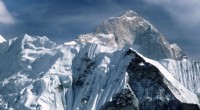
* Uplift and Erosion: As tectonic plates collide, mountains are uplifted. This creates a landscape with a wide range of elevations. Over millions of years, erosion by wind, water, and ice wears down the landscape, carving valleys and leaving the most resistant rocks standing at the highest elevations.
* Differential Erosion: The resistant older rocks weather and erode more slowly than the surrounding, less resistant rocks. This process of differential erosion leads to the oldest, hardest rocks gradually becoming the highest points in the landscape.
Example:
The Rocky Mountains are a prime example. They were formed by the uplift of ancient rocks during tectonic collisions. Over time, erosion has carved away softer rocks, leaving the resistant granite peaks at the highest elevations. These granite peaks represent some of the oldest rocks in the region.
Important Note: While the physical characteristics of the bedrock are crucial, other factors like climate, tectonic activity, and the presence of glaciers also play a significant role in shaping mountain landscapes and determining the elevation of the oldest rocks.