1. Weathering: This is the process of breaking down rocks into smaller pieces.
* Physical Weathering: This involves the mechanical breakdown of rocks without changing their chemical composition. Examples include:
* Frost wedging: Water seeps into cracks, freezes, expands, and widens the cracks.
* Thermal expansion/contraction: Rocks expand when heated and contract when cooled, causing stress that leads to fracturing.
* Abrasion: Rocks rub against each other or against other surfaces, breaking them down.
* Biological weathering: Tree roots growing in cracks, burrowing animals, etc. can break down rocks.
* Chemical Weathering: This involves the chemical breakdown of rocks by reactions with air, water, and living organisms. Examples include:
* Dissolution: Rocks like limestone dissolve in acidic water.
* Oxidation: Iron in rocks reacts with oxygen, forming iron oxides (rust), which weakens the rock.
* Hydrolysis: Water reacts with minerals in rocks, breaking them down.
2. Erosion: This is the process of moving weathered rock fragments from their original location.
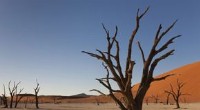
* Wind Erosion: Wind picks up and carries away loose sediment, especially in dry and arid regions.
* Water Erosion: Moving water, like rivers, streams, and rain, carries away sediment.
* Glacial Erosion: Glaciers carve out valleys and transport rocks and sediment.
* Gravity: Rocks can roll, slide, or fall down slopes due to gravity.
3. Transportation: Once eroded, sediments are carried away by various agents:
* Rivers: Rivers carry sediment in suspension, rolling along the bottom, or dissolved in the water.
* Wind: Wind carries dust and sand particles.
* Glaciers: Glaciers carry rocks and sediment embedded within the ice.
* Ocean currents: Ocean currents transport sediment along coastlines and across the ocean floor.
4. Deposition: As the energy of the transporting force decreases, the sediments settle out and are deposited in different locations.
* Sand: Usually deposited in beaches, dunes, riverbeds, and deltas.
* Silt: Often found in floodplains, lakes, and the deep ocean.
* Clay: Typically deposited in lakes, deep ocean, and areas where water has been relatively still.
Factors influencing deposition:
* The size and weight of the sediment: Larger, heavier particles are deposited first.
* The velocity and direction of the transporting agent: Faster currents carry more sediment, while slower currents allow smaller particles to settle.
* The topography of the area: Sediment tends to accumulate in low-lying areas.
The Result: Over time, these processes shape the Earth's surface, creating mountains, valleys, plains, and coastlines, and constantly transforming the landscape.