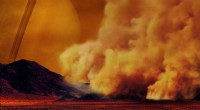
1. Breaking Down Parent Material: Erosion, primarily through wind and water, breaks down rocks and minerals into smaller particles. This is the first step in soil formation. Imagine a massive rock: Erosion gradually chips away at it, creating gravel, sand, silt, and clay – the fundamental building blocks of soil.
2. Transporting Materials: Erosion carries these broken-down particles away from their source, depositing them in new locations. This movement is important because it mixes different materials together, contributing to the diversity of soil types.
3. Decomposing Organic Matter: Eroded material often includes decaying plant and animal matter. This organic matter is broken down by microorganisms, adding nutrients and structure to the soil.
4. Shaping Landscapes: Erosion creates hills, valleys, and other landforms, influencing how water flows and how soil develops in specific areas. This variation in topography can lead to different soil types even within a relatively small region.
In summary:
* Erosion breaks down rocks and minerals, creating soil particles.
* Erosion moves these particles around, creating diverse soil mixtures.
* Erosion helps distribute organic matter, enriching the soil.
* Erosion shapes the landscape, influencing soil formation.
While erosion is essential for soil development, excessive erosion can be detrimental. It can remove topsoil, making it difficult for plants to grow, and can lead to soil degradation and desertification.