Weathering and erosion are two distinct but related processes that break down and transport rocks over time. Here's a breakdown:
Weathering: The process of breaking down rocks into smaller pieces, in place.
Erosion: The process of transporting weathered rock fragments from one place to another.
Here's how weathering works:
* Physical weathering: This involves the mechanical breakdown of rocks into smaller pieces without changing their chemical composition. Examples include:
* Frost wedging: Water seeps into cracks in rocks, freezes, expands, and widens the cracks.
* Thermal expansion and contraction: Rocks expand when heated and contract when cooled, which can create stress and lead to fracturing.
* Abrasion: Rocks rub against each other, grinding them down. This can be caused by wind, water, or ice.
* Root wedging: Plant roots grow into cracks in rocks, expanding and breaking them apart.
* Chemical weathering: This involves the breakdown of rocks through chemical reactions. Examples include:
* Oxidation: Oxygen reacts with minerals in rocks, creating new minerals and weakening the rock structure. Rust is an example of this process.
* Hydrolysis: Water reacts with minerals in rocks, breaking them down into new minerals.
* Carbonation: Carbon dioxide dissolved in water creates carbonic acid, which can dissolve some minerals in rocks.
Here's how erosion works:
* Wind erosion: Wind picks up and carries away small rock fragments, sand, and dust.
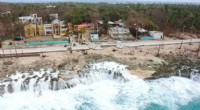
* Water erosion: Rivers, streams, and ocean waves carry away weathered rock fragments.
* Glacial erosion: Glaciers are massive sheets of ice that can scour the landscape, picking up and transporting rocks.
* Gravity erosion: Gravity pulls rocks and soil downslope, causing landslides and soil creep.
The interplay of weathering and erosion:
* Weathering prepares rocks for erosion. By breaking rocks down into smaller pieces, weathering makes them easier to transport.
* Erosion removes weathered material. This allows more rocks to be exposed to weathering, perpetuating the cycle.
The impact of weathering and erosion:
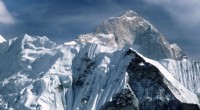
* Shaping the Earth's surface: Weathering and erosion create mountains, valleys, canyons, and other landforms.
* Creating soil: Weathering breaks down rocks into smaller particles, which eventually become soil.
* Transporting sediments: Weathering and erosion transport sediments to new locations, where they can be deposited to form new landforms.
Understanding the processes of weathering and erosion is crucial for understanding how the Earth's surface is constantly changing.