Here's how it works:
* Evaporation: When liquid water on the Earth's surface (oceans, lakes, rivers, soil) is heated by the sun, it changes into a gaseous state, becoming water vapor. This vapor rises into the atmosphere.
* Transpiration: Plants also contribute to water vapor in the atmosphere through transpiration. This is the process where plants release water vapor into the air through tiny pores in their leaves called stomata.
While evaporation is the main source, other minor sources of water vapor include:
* Sublimation: The direct change of ice (solid) into water vapor (gas).
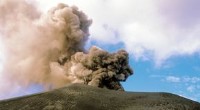
* Volcanic eruptions: Some volcanic eruptions release significant amounts of water vapor.
It's important to remember that the amount of water vapor in the atmosphere varies greatly depending on location, season, and other factors. This variability plays a crucial role in weather patterns and climate.