1. Surveying and Triangulation:
* Traditional Method: This involves setting up a baseline of known length at the base of the mountain. Then, surveyors measure the angles to the mountain peak from both ends of the baseline. Using trigonometry, they calculate the distance to the peak and its height above the baseline.
* Modern Method: GPS technology is used to determine the precise location and elevation of points on the mountain, including the summit.
2. Satellite Altimetry:
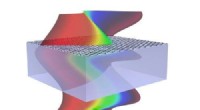
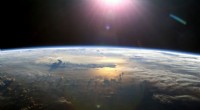
* Satellites equipped with radar altimeters can measure the distance between themselves and the Earth's surface. By analyzing the reflected radar signals, they can determine the elevation of different points, including mountain peaks.
3. Airborne Lidar:
* This technique uses an aircraft equipped with a laser scanner to measure the distance between the plane and the ground. By scanning the mountain, a detailed 3D model is created, allowing for precise elevation measurements.
4. Digital Elevation Models (DEMs):
* DEMs are digital representations of the Earth's surface, created by combining data from different sources, including satellite imagery, airborne lidar, and ground surveys. These models provide detailed elevation data that can be used to calculate mountain heights.
What Height are We Measuring?
It's important to note that mountain height can be measured in different ways:
* Elevation: The height of a mountain above sea level. This is the most commonly quoted measurement.
* Topographic Prominence: The height of a mountain above the lowest contour line that encircles it. This indicates the mountain's independence and prominence in the landscape.
* Relative Height: The height of a mountain above its immediate surroundings.
Challenges in Measurement:
* Weather: Clouds, fog, and snow can affect visibility and complicate measurements.
* Terrain: Steep slopes, cliffs, and dense vegetation can pose challenges for surveying and data collection.
* Changes in Elevation: Mountain peaks can shift slightly over time due to geological processes.
Accurate Measurements:
Despite these challenges, modern techniques allow for incredibly accurate measurements of mountain heights.
Let me know if you have any other questions about mountain heights or how they are measured!