1. Earth's Atmosphere:
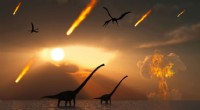
* The atmosphere acts as a shield, burning up most small asteroids and meteoroids before they reach the surface.
* Larger objects can still penetrate, but the friction with the atmosphere significantly slows them down, reducing the impact energy and the size of the crater.
2. Geological Activity:
* Earth's tectonic plates constantly shift and collide, causing mountains to rise, valleys to form, and old craters to be destroyed or buried.
* Volcanic eruptions and earthquakes also reshape the surface, erasing evidence of past impacts.
3. Erosion:
* Wind, rain, and glaciers constantly wear down the Earth's surface, eroding away craters over time.
* This process happens much slower than on the Moon or Mars, where there is no atmosphere or water to erode the surface.
4. The Earth is Older:
* While the Earth is not as old as the Moon, it is much older than the Solar System's other rocky planets, which means it has been bombarded with asteroids and comets for a longer time.
* This has led to the accumulation of many craters, but most of them have been erased by the processes mentioned above.
Where to Find Craters on Earth:
* Barringer Meteor Crater: This is one of the most famous craters on Earth, located in Arizona, USA.
* Manicouagan Crater: A large crater in Quebec, Canada, formed about 214 million years ago.
* Sudbury Basin: Located in Ontario, Canada, this is the largest known impact crater on Earth.
In conclusion, while the Earth has had its fair share of asteroid impacts, its active geology, atmosphere, and erosion have worked together to erase most of the evidence. This is why we see fewer craters on Earth compared to other celestial bodies.