Here's a breakdown of what a crater is and what could cause it:
* Definition: A crater is a bowl-shaped depression on the surface of a planet, moon, or other celestial body.
* Causes:
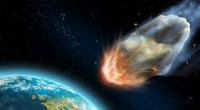
* Impact craters: These are formed when a meteorite, asteroid, or comet impacts the surface. The force of the impact creates a depression and often throws out material, forming a rim around the crater.
* Volcanic craters: These form at the summit of volcanoes as a result of volcanic eruptions. The magma or lava erupts from the vent, leaving behind a crater-like depression.
* Sinkholes: These are formed when underground rock layers dissolve or collapse, creating a pit on the surface. Sinkholes are common in areas with soluble rocks like limestone.
Example: The famous Meteor Crater in Arizona is a prime example of an impact crater.
Let me know if you'd like to explore any of these types of craters in more detail!