1. Volcanism: This process involves the eruption of molten rock (magma) from the planet's interior onto the surface. This creates new crustal material, forms mountains, and can even alter the planet's atmosphere.
2. Impact cratering: Collisions with asteroids, comets, and other space debris leave behind craters of various sizes. These impacts can significantly reshape the surface, excavating material and altering the landscape.
3. Tectonics: This process involves the movement of large plates of the planet's crust. These plates can collide, separate, or slide past each other, creating mountains, valleys, trenches, and volcanic activity.
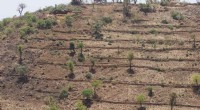
4. Erosion: Weathering and erosion by wind, water, and ice break down and transport existing rocks and sediments. This process sculpts landscapes, creating canyons, riverbeds, and other landforms.
These four processes work together, often in complex ways, to shape the diverse and dynamic surfaces of terrestrial planets.