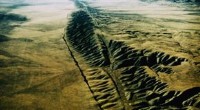
1. Continents: These are the large landmasses on Earth. There are seven continents: Asia, Africa, North America, South America, Antarctica, Europe, and Australia.
2. Oceans: These are the vast bodies of saltwater that cover most of the Earth's surface. There are five major oceans: Pacific, Atlantic, Indian, Arctic, and Southern.
3. Atmosphere: This is the layer of gases that surrounds the Earth, providing air to breathe and protecting us from harmful radiation.
4. Biosphere: This is the part of Earth where life exists, encompassing all living organisms and their environments. It includes all ecosystems from the deepest oceans to the highest mountains.
While these are the most common divisions, there are other ways to divide Earth, such as by climate zones or geological formations.