1. Crust:
* Oceanic Crust: Thin, dense, and composed primarily of basalt. It forms the floor of the ocean basins.
* Continental Crust: Thicker, less dense, and composed primarily of granite. It makes up the continents.
2. Mantle:
* The thickest layer of the Earth, located between the crust and the outer core.
* Composed mainly of silicate minerals, with varying composition and density at different depths.
* The mantle is mostly solid but behaves like a very viscous fluid over geological timescales, allowing for plate tectonics.
3. Core:
* Outer Core: Liquid layer composed primarily of iron and nickel. Its movement generates the Earth's magnetic field.
* Inner Core: Solid sphere at the Earth's center, also primarily composed of iron and nickel, but under immense pressure.
4. Lithosphere:
* The rigid, outermost layer of the Earth that includes the crust and the uppermost part of the mantle.
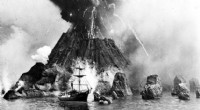
* It's broken into tectonic plates that move and interact, causing earthquakes, volcanoes, and mountain formation.
5. Asthenosphere:
* A partially molten layer within the upper mantle, beneath the lithosphere.
* Its plasticity allows tectonic plates to move over it.
6. Mesosphere:
* The lower portion of the mantle, extending from the asthenosphere to the outer core.
* It's more rigid than the asthenosphere but still capable of slow deformation.
These components are interconnected and interact in complex ways, driving processes like plate tectonics, volcanism, and mountain building that shape the Earth's surface and influence its climate.