Here's a breakdown of what a geophysicist does:
Core Areas of Study:
* Solid Earth Geophysics: This focuses on the Earth's structure, composition, and dynamics. This includes:
* Seismology: Studying earthquakes and the Earth's interior through seismic waves.
* Tectonics: Understanding the movement and interaction of Earth's tectonic plates.
* Geodesy: Studying the Earth's shape, gravity field, and rotation.
* Rock Mechanics: Investigating the mechanical properties of rocks and how they deform under stress.
* Volcanology: Studying volcanoes, magma, and their eruptions.
* Geophysics of the Oceans: Studying the ocean's physical properties, currents, waves, and interaction with the seafloor.
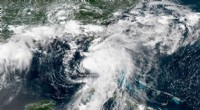
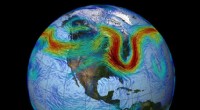
* Atmospheric Geophysics: Investigating the Earth's atmosphere, including weather patterns, climate change, and atmospheric composition.
* Exploration Geophysics: Using geophysical methods to locate and explore natural resources, such as oil, gas, and minerals.
* Environmental Geophysics: Applying geophysical techniques to study environmental problems, such as pollution, groundwater contamination, and waste disposal.
Key Responsibilities:
* Data Collection and Analysis: Geophysicists collect data using a variety of instruments and techniques, including seismic surveys, gravity surveys, magnetic surveys, and electromagnetic surveys. They then analyze this data to interpret the Earth's structure and processes.
* Modeling and Simulation: Using computer models to simulate Earth processes and test hypotheses.
* Research and Development: Conducting research to develop new techniques and technologies for geophysical exploration and understanding.
* Consulting: Providing expertise to government agencies, industries, and research organizations.
* Teaching and Education: Educating students about geophysics and related fields.
Where do Geophysicists work?
* Oil and Gas Companies: Searching for and exploring oil and gas resources.
* Mining Companies: Finding and developing mineral deposits.
* Government Agencies: Working for organizations like the USGS (United States Geological Survey) or NOAA (National Oceanic and Atmospheric Administration) to study earthquakes, volcanoes, and the environment.
* Universities and Research Institutions: Conducting research and teaching.
* Consulting Firms: Providing expertise to clients in various industries.
Skills needed for a geophysicist:
* Strong background in physics, math, and geology
* Data analysis and interpretation skills
* Computer programming and modeling skills
* Excellent communication and presentation skills
In summary, geophysicists play a vital role in understanding our planet and its many processes, and their work has far-reaching implications for resource exploration, environmental protection, and disaster preparedness.