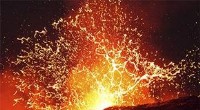
* Spreading Axis: This is where new oceanic crust is formed as tectonic plates move apart. Magma rises from the mantle and erupts, solidifying into new crust.
* Siliceous Pillow Lavas: These form when lava erupts underwater, quickly chilling and forming bulbous shapes. They are a hallmark of mid-ocean ridge volcanism and occur very close to the spreading axis.
* Carbonate Ooze: This is a sediment primarily composed of the shells of tiny marine organisms like foraminifera. It forms in warm, clear waters, typically far from the spreading axis, in areas where sunlight can penetrate.
* Turbidites: These are deposits formed by underwater landslides or turbidity currents. They can occur further away from the spreading axis, in areas where sediments are being transported and deposited.
Therefore, siliceous pillow lavas are most closely associated with the spreading axis.