1. Water Erosion:
* Sheet Erosion: A thin layer of soil is removed evenly across a slope, often by rainfall runoff.
* Rill Erosion: Small channels form in the soil as water flows downhill, carrying away soil and sediment.
* Gully Erosion: Larger channels form, often due to concentrated runoff, cutting deep into the soil.
* Coastal Erosion: Waves and currents erode shorelines, beaches, and cliffs.
2. Wind Erosion:
* Deflation: Wind picks up and carries away loose soil particles, leaving behind a lower surface.
* Abrasion: Wind-borne sand particles scrape and wear away surfaces, like rocks or buildings.
3. Glacial Erosion:
* Plucking: As glaciers move, they freeze to the bedrock and break off pieces, carrying them away.
* Abrasion: Glaciers also scrape and grind against the bedrock, wearing it down.
4. Other Types:
* Gravity Erosion: Mass wasting, landslides, and rockfalls are caused by the force of gravity.
* Biological Erosion: Animals, plants, and microbes can also contribute to erosion, through burrowing, root growth, and decomposition.
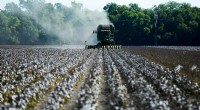
* Human-Induced Erosion: Activities like deforestation, agriculture, and construction can accelerate erosion rates.
While these categories are helpful, remember that erosion is often a combination of multiple factors. For example, a landslide might be triggered by heavy rain (water erosion) and exacerbated by deforestation (human-induced erosion).