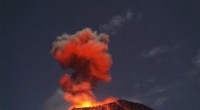
1. Magma and Lava: The cooling and solidification of molten rock (magma underground or lava above ground) forms igneous rocks. The rate of cooling, the composition of the magma, and the presence of gases all influence the resulting rock texture and mineral composition.
2. Weathering and Erosion: The breakdown of existing rocks through physical (like freezing/thawing) or chemical processes (like acid rain) creates sediment. Erosion then transports this sediment, often by wind, water, or ice, to new locations. This process is crucial in the formation of sedimentary rocks.
3. Pressure and Heat: Existing rocks can be transformed by intense heat and pressure deep within the Earth. This process, called metamorphism, changes the mineral composition and texture of the rock without completely melting it. This forms metamorphic rocks.
4. Biological Processes: Living organisms can play a role in rock formation. For example, the accumulation of shells, bones, and plant matter can form limestone and coal. Microorganisms can also contribute to the formation of sedimentary rocks by altering the chemical composition of the environment.