1. Rapid Burial: The most important factor is rapid burial after death. This prevents decay and weathering, preserving the organism's remains.
* Sedimentary Environments: These environments, like lakes, rivers, oceans, and swamps, are ideal. They deposit sediment, which quickly covers dead organisms.
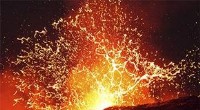
* Volcanic Ash: Volcanic ash can also rapidly bury organisms, preserving them in ash layers.
2. Low Oxygen: Oxygen promotes decomposition. Environments with limited oxygen, like deep ocean floors, swamps, and bogs, are more likely to preserve fossils.
3. Stable Environment: Environments that are relatively stable over long periods of time, like deep ocean basins, are good because they provide a continuous environment for sediment deposition and fossilization.
4. Abundant Life: Areas that were teeming with life are more likely to produce fossils, though the type of fossils will vary based on the environment.
Examples of rich fossil habitats:
* Marine environments: Ocean floors are abundant in fossils, especially from ancient marine life.
* Lakes and Rivers: These environments can deposit layers of sediment that preserve fossils of fish, insects, and other freshwater creatures.
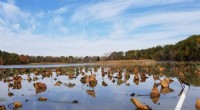
* Swamps and bogs: These environments have low oxygen and lots of sediment, making them ideal for preserving plant and animal remains.
* Deserts: Though seemingly harsh, deserts can have fossil-rich environments. Sand dunes, for example, can rapidly bury organisms.
Important Note: Not all environments with these features are guaranteed to be rich in fossils. Factors like erosion, geological activity, and the age of the environment all play a role in fossil preservation.