Climate:
* Semi-arid conditions: Receives moderate rainfall, typically less than 500mm per year, with long periods of drought.
* Hot summers: Experience high temperatures during the summer months.
* Cool winters: May experience frost or light snowfall.
Topography:
* Flat or gently rolling terrain: Lacking significant elevation changes.
* Open landscape: With minimal trees or other large vegetation.
Vegetation:
* Sparse vegetation: Characterized by grasses, shrubs, and occasional trees that are widely spaced.
* Drought-tolerant species: Plants adapted to survive with limited water availability.
* Seasonal variation: Vegetation cover may be more dense during the rainy season and sparse during dry periods.
Examples:
* Steppe: Found in Central Asia, Eastern Europe, and North America.
* Prairie: Found in North America.
* Savanna: Found in Africa, South America, and Australia, but these typically have more trees than semi-dry plains.
Key characteristics:
* Limited water resources: This restricts plant growth and diversity.
* Susceptible to erosion: Limited vegetation cover exposes the soil to wind and water erosion.
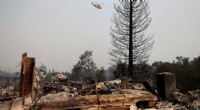
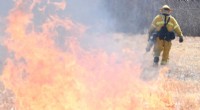
* Fire-prone: Dry vegetation can easily ignite, leading to frequent wildfires.
Human impact:
* Overgrazing: Livestock can damage vegetation and lead to soil degradation.
* Agriculture: Dryland farming can deplete soil moisture and lead to desertification.
* Climate change: Increased drought and temperature extremes can further degrade these ecosystems.
Conservation efforts:
* Sustainable grazing practices: Managing livestock to prevent overgrazing.
* Restoration projects: Re-establishing native vegetation and restoring soil health.
* Protecting biodiversity: Conserving the unique plant and animal species that inhabit these areas.
In summary, a semi-dry plain with sparse vegetation is a challenging environment characterized by limited water, drought, and vulnerability to degradation. Understanding its unique features is crucial for its sustainable management and conservation.