The Earth's outer layer is made up of rigid, interlocking plates called lithospheric plates. These plates move slowly over the Earth's mantle, a semi-solid layer below the crust.
Key aspects of plate tectonics:
* Plate Movement: The plates move due to convection currents in the mantle. Hotter, less dense material rises, while cooler, denser material sinks, creating a circular motion that drags the plates along.
* Types of Plate Boundaries:
* Divergent boundaries: Where plates move apart, allowing magma to rise from the mantle, creating new crust. Examples: Mid-ocean ridges, rift valleys.
* Convergent boundaries: Where plates collide.
* Oceanic-continental: The denser oceanic plate subducts (sinks) beneath the continental plate, forming volcanic arcs and deep trenches.
* Oceanic-oceanic: The denser plate subducts, leading to volcanic island arcs and trenches.
* Continental-continental: Both plates are less dense, resulting in mountain ranges (e.g., Himalayas).
* Transform boundaries: Where plates slide horizontally past each other. This can cause earthquakes (e.g., San Andreas Fault).
* Geological Features: Plate tectonics explains the formation of mountains, volcanoes, earthquakes, ocean basins, and many other geological features.
Key concepts:
* Continental drift: The idea that continents have moved over time.
* Seafloor spreading: The process of new oceanic crust being created at mid-ocean ridges.
* Subduction: The process of one tectonic plate sinking beneath another.
Evidence supporting plate tectonics:
* Fossil distribution: Similar fossils found on different continents suggest they were once connected.
* Matching coastlines: The shapes of continents fit together like puzzle pieces.
* Magnetic striping: Patterns of magnetic reversals in the ocean floor provide evidence of seafloor spreading.
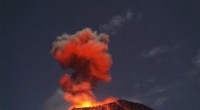
* Earthquake and volcanic activity: The distribution of earthquakes and volcanoes is concentrated along plate boundaries.
Importance of Plate Tectonics:
* Understanding Earth's processes: Plate tectonics explains many geological phenomena and helps us understand Earth's dynamic nature.
* Predicting natural hazards: Knowing plate boundaries and movements can help predict earthquakes and volcanic eruptions.
* Resource exploration: Plate tectonics plays a role in the formation of ore deposits and other natural resources.
The theory of plate tectonics is a powerful unifying theory in geology, explaining a wide range of geological processes and features.