1. Weathering: This is the initial breakdown of existing rocks (igneous, metamorphic, or even pre-existing sedimentary rocks) into smaller pieces. This can occur through:
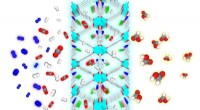
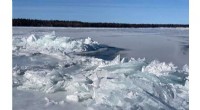
* Physical weathering: Breaking down rocks by forces like wind, rain, ice, temperature changes, or plant roots.
* Chemical weathering: Breaking down rocks by chemical reactions, like dissolving minerals in water or oxidation (rusting).
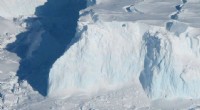
2. Erosion: The weathered rock fragments are transported away from their source by wind, water (rivers, streams, ocean currents), or ice (glaciers).
3. Transportation: As the rock fragments are moved, they are often broken down further, rounded, and sorted by size and density. This is where the journey shapes the sediment.
4. Deposition: When the transporting force loses energy, the sediments settle out in a new location, usually in layers. This could be a river delta, a lake bottom, an ocean floor, or even a desert.
5. Compaction: As more sediment layers build up, the weight of the overlying layers presses down on the lower layers, squeezing out water and air. This process compacts the sediment, making it denser.
6. Cementation: Dissolved minerals in the water between the sediment grains precipitate out and crystallize, acting like glue that binds the grains together. This process turns the loose sediment into a solid rock.
Important Note: The formation of sedimentary rocks is a dynamic and ongoing process. Many sedimentary rocks can be weathered and eroded again, and the cycle repeats, contributing to the ever-changing landscape of the Earth.