Evidence of Past Environments:
* Climate: Fossils can indicate past climates. For example, the presence of tropical plants like ferns suggests a warm, humid climate, while the discovery of glacial deposits like striations on rocks indicates a cold, icy climate.
* Geography: Fossil distribution helps reconstruct past geographic features. Finding marine fossils high in the mountains suggests that these areas were once underwater.
* Habitat: The type of fossils found in a particular location reveals the type of habitat that existed. For example, finding fossilized coral reefs indicates a shallow, warm-water environment, while the presence of dinosaur footprints suggests a terrestrial, potentially arid environment.
* Biodiversity: Fossil diversity reveals the variety of life present in a particular time period. This helps us understand how ecosystems have changed over time.
* Evolutionary History: Fossils provide evidence for the evolution of life, showing how organisms have adapted to changing environments over millions of years.
Evidence of Present Environments:
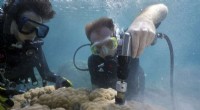
* Modern Analogs: Studying modern organisms that resemble fossil species can provide insights into the past. For example, comparing modern corals to fossilized corals helps us understand the environmental conditions in which they thrived.
* Bioindicators: Some species are sensitive to specific environmental conditions, serving as bioindicators. For example, the presence of certain types of insects in a particular area might suggest the presence of a specific type of vegetation.
* Paleoecology: The study of past ecosystems helps us understand the present. By analyzing the interactions between fossil organisms and their environment, we can learn about the dynamics of modern ecosystems.
Specific Examples:
* Trilobite fossils: Indicate that the area where they are found was once an ocean floor.
* Fossil ferns: Suggest that the area where they are found was once a tropical rainforest.
* Ice Age fossils: Reveal that the area where they are found was once covered in glaciers.
* Fossil coral reefs: Show that the area was once a warm, shallow ocean.
Limitations:
While fossils provide valuable information, it's important to note that they have limitations:
* Fossil record is incomplete: Not all organisms fossilize, and many fossils are lost or inaccessible.
* Fossil preservation is biased: Some organisms fossilize more easily than others.
* Interpretation is subject to bias: Interpretations of fossils can be influenced by individual biases.
Overall, fossils are a powerful tool for understanding Earth's history and the evolution of life. They provide a window into the past, helping us understand how environments have changed over time and providing insights into the present.