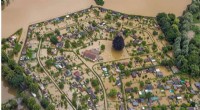
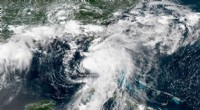
1. Physical Geography: This branch focuses on the natural features of the Earth, including:
* Landforms: Mountains, valleys, plains, plateaus, etc.
* Climate: Temperature, precipitation, wind patterns, etc.
* Water Bodies: Oceans, lakes, rivers, glaciers, etc.
* Soil: Types, composition, formation processes.
* Biogeography: Distribution of plants and animals.
2. Human Geography: This branch explores the relationship between humans and their environment, focusing on:
* Population: Distribution, density, growth, migration.
* Culture: Languages, religions, customs, traditions.
* Economics: Trade, industries, agriculture.
* Politics: Boundaries, governments, conflicts.
* Urban Geography: Cities, urban planning, transportation.
These are just two broad categories. Geography encompasses many other sub-fields, including:
* Environmental Geography: The interaction between humans and their environment.
* Cartography: Mapmaking and analysis.
* Geographic Information Systems (GIS): Using software to analyze spatial data.
* Remote Sensing: Collecting data from a distance (like satellites).