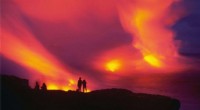
* Active Volcanoes: Lahars require volcanic material, like ash and debris, to form. Active volcanoes are constantly producing these materials through eruptions.
* Water Sources: The volcanic material needs to be mixed with water to become a fluid mudflow. This water can come from:
* Glaciers and snowfields: Melting ice and snow due to volcanic heat provide a significant source of water, especially on high-altitude volcanoes.
* Heavy rainfall: Even moderate rainfall can trigger lahars in areas covered with loose volcanic debris.
* Lakes and rivers: Volcanic eruptions can disrupt waterways and create lahars by mixing water with volcanic material.
Therefore, the most likely regions for volcanic mudflows are:
* Areas with active volcanoes: This includes the Pacific Ring of Fire, the Andes Mountains, and the Cascade Range in North America.
* Regions with glaciers or snowfields: Examples include Mount Rainier and Mount Shasta in the United States, and Mount Fuji in Japan.
* Areas with heavy rainfall: This is common in tropical regions with active volcanoes.
Note: It's important to remember that even dormant volcanoes can produce lahars if they have accumulated loose volcanic material and there is a source of water.