* Divergent Plate Boundaries: These are areas where tectonic plates move apart. This separation allows magma from the mantle to rise to the surface, creating new crust. The main features associated with divergent plate boundaries are:
* Mid-ocean ridges: Underwater mountain ranges formed by the upwelling magma.
* Rift valleys: These are areas on land where the crust is being pulled apart, creating valleys and volcanoes.
* Volcanic activity: The rising magma often erupts, creating volcanoes.
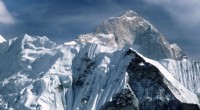
* Folded Mountains: These are formed by the collision of tectonic plates (convergent boundaries). The immense pressure from the collision forces rock layers to fold and uplift, creating mountains.
* Deep Sea Trenches: These are very deep, narrow depressions in the ocean floor formed at subduction zones – a type of convergent boundary where one plate slides beneath another.
In summary:
* Divergent boundaries: Plates move apart, creating new crust.
* Convergent boundaries: Plates collide, causing mountains and trenches.
Let me know if you'd like to know more about any of these types of plate boundaries!