Here's why:
* Grasslands: Often characterized by dry, open areas with sparse vegetation. Brown can represent the color of the dry grass and soil.
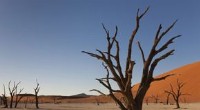
* Deserts: Have very little vegetation and are mostly made up of sand, rock, and dry soil, all of which can be represented by brown on a map.
To determine what brown represents, you'll need to look for additional information:
* Key/Legend: The key or legend of the map will tell you what colors represent different land features.
* Context: Look at the surrounding area and the overall map type. For example, a map of the Great Plains would likely use brown for grasslands, while a map of the Sahara Desert would use brown for desert.
It's important to remember that maps use color schemes for visualization, and they're not always completely accurate representations of reality.