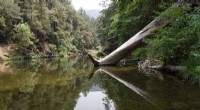
* Erosion and Weathering: Igneous and metamorphic rocks exposed at the surface are constantly subjected to erosion and weathering by wind, rain, ice, and biological activity. This breaks down the rocks into smaller fragments, creating sediment.
* Transportation and Deposition: The sediment is transported by wind, water, or ice and eventually deposited in a new location, often in layers. This process is called sedimentation.
* Lithification: Over time, the layers of sediment are compacted by the weight of overlying sediments and the spaces between grains are filled with minerals. This process is called lithification, and it turns the sediment into sedimentary rock.
Therefore, sedimentary rocks are found as a veneer because:
* They form from the breakdown of other rocks.
* They are deposited in layers on top of existing rock formations.
Examples:
* Sandstone: Found as a veneer on top of granite or metamorphic rock in many areas.
* Limestone: Can form as a veneer over older rocks in areas where there were once shallow seas or lakes.
* Conglomerate: Often found as a veneer over bedrock in mountainous regions where erosion is rapid.
It's important to note that:
* The thickness of the sedimentary veneer can vary greatly depending on the amount of erosion and deposition that has occurred.
* Sometimes, sedimentary rocks are found in much thicker layers, forming entire mountain ranges.
* The presence of a sedimentary veneer is a sign of geological processes like uplift and erosion.