Rock is a naturally occurring solid material made up of one or more minerals. Think of it as a giant puzzle where each piece is a mineral. There are three main types of rock:
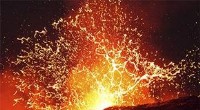
* Igneous Rocks: Formed from the cooling and solidification of magma (molten rock) or lava. Think of granite and basalt.
* Sedimentary Rocks: Formed from the accumulation and cementation of sediments like sand, mud, or shells. Examples include sandstone, limestone, and shale.
* Metamorphic Rocks: Formed when existing rocks are transformed by heat, pressure, or chemical reactions. Marble, slate, and gneiss are good examples.
Rocks move in various ways, primarily due to:
* Weathering: The process of breaking down rocks into smaller pieces through physical and chemical processes. This can be caused by freezing and thawing, wind and rain erosion, and chemical reactions.
* Erosion: The process of moving weathered rock fragments by wind, water, or ice. Think of a river carrying pebbles downstream or wind blowing sand across a desert.
* Plate Tectonics: The movement of Earth's tectonic plates, massive slabs of rock that make up the Earth's crust. These plates can collide, pull apart, or slide past each other, causing mountains, volcanoes, and earthquakes. This movement also contributes to the formation of new rock types.
* Glaciers: Massive sheets of ice that can carve valleys, transport rocks, and deposit them in new locations.
* Gravity: Gravity plays a role in landslides, rockfalls, and other mass movements where rock tumbles downhill.
Here are some examples of rock movement:
* A river carrying pebbles downstream.
* A glacier grinding rock fragments into smaller pieces.
* A landslide caused by heavy rainfall.
* The formation of a mountain range through tectonic plate collision.
* The erosion of a cliff face by wind and rain.
So, rock movement is a continuous process shaped by various forces, shaping our landscapes and contributing to the rock cycle.