* Magma's Pressure: As magma rises from deep within the Earth, it exerts immense pressure on the surrounding rocks.
* Fracturing: This pressure can cause the rocks to crack and fracture, creating pathways for the magma to move upwards.
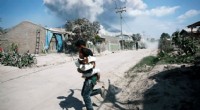
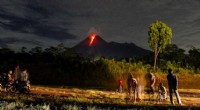
* Eruption: When the pressure from the magma exceeds the strength of the surrounding rocks, it erupts, spewing lava, ash, and gases onto the surface.
Other consequences of magma pressure:
* Earthquakes: The fracturing and movement of rocks due to magma pressure can trigger earthquakes.
* Ground Deformation: The rising magma can cause the ground to swell and bulge, which can be observed as changes in elevation.
* Hydrothermal Activity: The heat from rising magma can heat groundwater, creating hot springs and geysers.
In short, magma pressure is the driving force behind volcanic activity.