1. Plate Convergence (Collision):
* Mountain Building (Orogeny): When continental plates collide, the intense pressure and heat cause rocks to deform, fold, and uplift, forming mountain ranges. These processes can lead to the formation of metamorphic rocks (e.g., gneiss, schist) from existing sedimentary or igneous rocks.
* Metamorphism: The intense heat and pressure involved in plate collisions transform existing rocks into metamorphic rocks. These rocks have a different texture and mineral composition than their parent rocks.
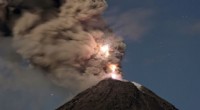
* Magma Generation: The subduction of one plate beneath another can melt the subducted plate, generating magma. This magma can rise to the surface and erupt as volcanoes, producing volcanic rocks (e.g., basalt, andesite).
2. Plate Divergence (Separation):
* Seafloor Spreading: At mid-ocean ridges, plates move apart, allowing magma from the Earth's mantle to rise and solidify, forming new oceanic crust. This process creates igneous rocks like basalt.
* Volcanism: Divergent plate boundaries are often associated with volcanic activity. The magma that rises from the mantle can erupt on the seafloor or on land, creating volcanic rocks.
3. Plate Transform Boundaries (Sliding Past Each Other):
* Faults and Earthquakes: Transform boundaries are characterized by horizontal movement of plates, causing faults and earthquakes. These movements can expose rocks that were previously buried deep underground, and the resulting friction can cause localized metamorphism along fault zones.
4. Erosion and Sedimentation:
* Weathering and Erosion: Tectonic forces create mountains and other landforms that are subject to weathering and erosion. These processes break down rocks into smaller pieces called sediments.
* Sedimentation: Sediments are transported by wind, water, and ice, eventually being deposited in low-lying areas. Over time, these sediments become compacted and cemented together, forming sedimentary rocks (e.g., sandstone, limestone).
Examples of Rock Formation due to Tectonics:
* The Himalayas: The collision of the Indian and Eurasian plates led to the formation of the Himalayas, with metamorphic rocks like gneiss and schist forming from existing sedimentary and igneous rocks.
* The Andes Mountains: Subduction along the west coast of South America created the Andes, with volcanic rocks like andesite and basalt being formed from magma generated by the subduction process.
* The Mid-Atlantic Ridge: Seafloor spreading at the Mid-Atlantic Ridge creates new oceanic crust composed of basalt, a type of igneous rock.
In summary, tectonics play a fundamental role in rock formation by influencing the processes of metamorphism, igneous rock formation, and sedimentation, ultimately shaping the Earth's geological landscape.