* Along plate boundaries:
* Divergent boundaries: Where tectonic plates pull apart, magma rises to the surface, creating volcanoes. Examples include the Mid-Atlantic Ridge and Iceland.
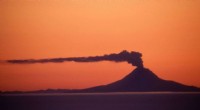
* Convergent boundaries: Where tectonic plates collide, one plate subducts (slides) under the other. This process melts the subducting plate, creating magma that rises to the surface. Examples include the Pacific Ring of Fire, which includes the Andes Mountains, the Cascade Range, and the Aleutian Islands.
* Hotspots: These are areas where plumes of unusually hot mantle material rise to the surface. These plumes can melt the overlying crust, leading to volcanic activity. Examples include Hawaii and Yellowstone National Park.
While these are the primary locations, there are also some intraplate volcanoes, which occur within tectonic plates rather than at their boundaries. These are typically caused by the movement of the plates over hotspots.
It's important to note that the vast majority of volcanoes are submarine (underwater) and are found along mid-ocean ridges.