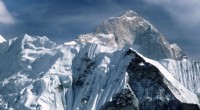
1. Tectonic Plate Collisions:
* Mountains are primarily formed when tectonic plates collide, pushing against each other.
* This immense pressure causes:
* Folding: Rock layers bend and fold into complex structures, creating anticlines (upward folds) and synclines (downward folds).
* Faulting: The pressure can exceed the strength of the rock, causing it to fracture along planes called faults. Rocks on either side of the fault can shift vertically or horizontally, resulting in displacements and distortions.
2. Erosion and Weathering:
* Once mountains are formed, they are constantly subject to erosion by wind, water, and ice.
* These erosive forces can:
* Expose deeper rock layers: This reveals the often distorted rock structures beneath the surface.
* Carve out valleys and canyons: This can further expose and accentuate the distortions in the surrounding rock.
3. Volcanic Activity:
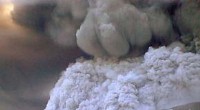
* Volcanic eruptions can contribute to mountain formation and rock deformation.
* Lava flows and ash deposits can:
* Overlay existing rock layers: This can create a patchwork of different rock types and textures, leading to variations in how the rock responds to weathering and erosion.
* Cause uplift and subsidence: Volcanic activity can push up the land surface, creating mountains and hills, and can also cause depressions and valleys.
4. Glaciation:
* In mountainous regions, glaciers have a profound impact on the landscape.
* Glacial movement can:
* Carve out valleys and peaks: This exposes underlying rock structures and can further distort them.
* Transport and deposit rock fragments: This can create unique rock formations and patterns.
Examples of Distorted Rock Structures in Mountains:
* Folded and faulted sedimentary rocks: These are common in mountain ranges like the Appalachian Mountains.
* Granitic intrusions: Large masses of solidified magma can push through existing rocks, creating unique features like batholiths and stocks.
* Metamorphic rocks: The intense pressure and heat during mountain formation can transform existing rocks into metamorphic rocks, often exhibiting distinctive patterns and textures.
In essence, the dramatic forces involved in mountain formation, along with the continuous erosive processes, are the primary reasons why mountain landscapes are characterized by distorted rock structures. These structures are a testament to the dynamic and constantly changing nature of the Earth's crust.