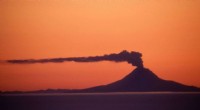
Here's why it's a great example:
* Classic Cinder Cone Shape: Paricutin has the distinctive cone shape of a cinder cone volcano, with steep sides and a crater at the top.
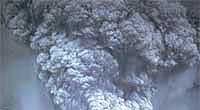
* Sudden and Dramatic Formation: Paricutin erupted suddenly and unexpectedly in a cornfield in 1943. This quick and dramatic formation is characteristic of cinder cone volcanoes.
* Short-Lived Activity: Paricutin was active for only nine years, which is typical for cinder cone volcanoes. This makes it a great case study for understanding the life cycle of these volcanoes.
* Well-Documented: The eruption of Paricutin was well-documented by scientists and photographers, providing valuable data on cinder cone eruptions.
Other examples of cinder cone volcanoes:
* Sunset Crater in Arizona, USA
* Cerro Negro in Nicaragua
* Mount Etna (some of its cones) in Italy
These volcanoes provide valuable insights into the processes that create and shape Earth's surface.