1. Understanding Earth's History:
* Geological Time Scale: Rocks provide a tangible record of Earth's history. They contain fossils that tell us about the evolution of life, and their composition and structure reveal how our planet formed and changed over billions of years.
* Plate Tectonics: Rocks are essential for understanding plate tectonics. Their composition and distribution help us map out the movement of Earth's plates, which in turn explains earthquakes, volcanic activity, and the formation of mountain ranges.
* Past Environments: Rocks can tell us about past climates, environments, and even ancient oceans and ecosystems. Sedimentary rocks, for example, often preserve evidence of past life and the conditions under which they formed.
2. Resources and Materials:
* Mineral Resources: Rocks are the source of many essential minerals, including iron, copper, gold, and diamonds, which are vital for our economy and technology.
* Building Materials: Rocks are used extensively in construction, from building foundations to roads and bridges.
* Energy Sources: Some rocks, like coal and oil shale, are important sources of energy.
3. Scientific Research and Exploration:
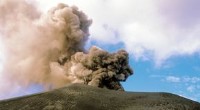
* Understanding Earth's Interior: Studying rocks from deep within the Earth, like those brought up by volcanoes, provides insights into the composition and processes occurring in the Earth's mantle and core.
* Extraterrestrial Research: Meteorites, which are essentially rocks from space, provide valuable information about the composition and formation of other planets and celestial bodies.
* Dating Techniques: Radioactive isotopes found in rocks allow scientists to date ancient events and establish the age of the Earth and other geological formations.
4. Education and Inspiration:
* Understanding Our Planet: Rocks are fascinating objects that spark curiosity and encourage people to learn about our planet's history and processes.
* Environmental Awareness: Studying rocks can help us understand the importance of conserving natural resources and protecting the environment.
In short, rocks are vital tools for scientists to understand our planet, its history, its resources, and its future. They are a window into the past, a source of essential materials, and a constant source of scientific exploration and discovery.