1. Lava Flows:
* Direct burial: Molten rock (lava) flowing from the volcano can bury and obliterate everything in its path, including forests, buildings, and even entire towns.
* Landslide triggering: Lava flows can heat up slopes, making them unstable and prone to landslides. This can further destroy land and infrastructure.
2. Pyroclastic Flows:
* Extreme heat and force: These are superheated mixtures of gas, ash, and rock fragments that travel at high speeds (hundreds of kilometers per hour). They can incinerate everything in their path and cause massive destruction.
* Debris deposition: Pyroclastic flows can deposit thick layers of ash and debris, burying land and creating barren landscapes.
3. Ashfall:
* Suffocation: Volcanic ash can blanket entire regions, suffocating plants and blocking sunlight, leading to crop failure and ecosystem disruption.
* Building damage: Heavy ashfall can damage buildings, roofs, and infrastructure, leading to structural collapse and disruptions in daily life.
* Respiratory problems: Fine volcanic ash can cause respiratory problems in humans and animals.
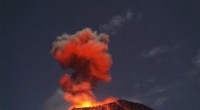
4. Volcanic Explosions:
* Crater formation: Large eruptions can create massive craters, altering the landscape drastically.
* Landslides: Volcanic explosions can trigger landslides and rockfalls, further destroying surrounding land.
5. Tsunamis:
* Submarine eruptions: Volcanic eruptions beneath the ocean can displace huge amounts of water, generating tsunamis that can cause devastating damage to coastal areas.
6. Climate Change:
* Global cooling: Large volcanic eruptions can inject sulfur dioxide into the atmosphere, reflecting sunlight and causing temporary global cooling. While not directly destroying land, this can have significant impacts on ecosystems and agriculture.
7. Acid Rain:
* Soil and water contamination: Volcanic eruptions can release sulfur dioxide into the atmosphere, which reacts with water to form sulfuric acid. This can lead to acid rain, damaging forests, crops, and water sources.
In addition to these direct effects, volcanic activity can also:
* Alter soil chemistry: Volcanic ash can enrich the soil with nutrients, but also create acidic conditions that are harmful to some plants.
* Change river courses: Lava flows and volcanic debris can alter river courses and create new lakes or valleys.
* Influence erosion: Volcanic ash can increase erosion rates, leading to land degradation and sediment buildup in rivers and lakes.
Overall, volcanoes are powerful forces of nature that can significantly reshape the Earth's surface and have devastating consequences for the surrounding environment and human populations.