1. Magma Chamber: Volcanoes are powered by magma, molten rock beneath the Earth's surface. Magma is a complex mixture of various minerals.
2. Cooling and Solidification: As magma rises towards the surface, it cools down. As it cools, the individual minerals in the magma start to separate and crystallize.
3. Crystal Growth: The atoms in the cooling magma arrange themselves into specific, repeating patterns. This ordered arrangement is what defines a crystal. The crystals grow larger as more atoms join the structure.
4. Pressure and Temperature: The immense pressure and high temperatures deep within the Earth influence the type and size of crystals that form. Certain minerals will only crystallize under specific conditions.
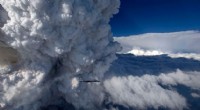
5. Eruption: When a volcano erupts, it spews out molten rock, ash, and gases, including crystals that formed within the magma chamber. Some crystals may also form directly from the cooling lava during the eruption.
Different Types of Volcanic Crystals:
Volcanoes produce a variety of crystals depending on the specific mineral composition of the magma and the cooling conditions. Some common examples include:
* Quartz: A common crystal found in many volcanic rocks.
* Feldspar: A group of minerals that are often found in volcanic rocks and can form large crystals.
* Olivine: A greenish mineral that is often found in mafic (dark colored) volcanic rocks.
* Pyroxene: A group of minerals that are common in volcanic rocks and can form long, needle-like crystals.
Crystal Formation Outside of Volcanoes:
While volcanoes are a major source of crystals, they aren't the only source. Crystals can also form in other geological settings, such as:
* Pegmatite veins: These are veins of very coarse-grained igneous rock that often contain large crystals.
* Hydrothermal vents: These are areas where hot water interacts with rocks, dissolving minerals and depositing them as crystals.
* Sedimentary rocks: Crystals can form in sedimentary rocks through various processes, including the evaporation of water or the precipitation of minerals from solution.
So, volcanoes are like nature's crystal factories, providing the extreme heat and pressure needed for these beautiful structures to form.